
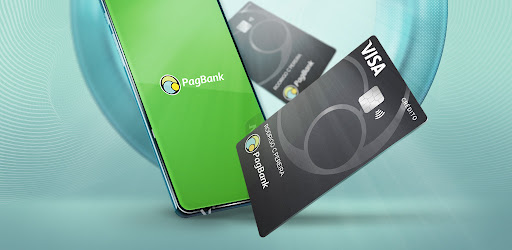
PagBank est l’application la plus double usage de l’étagère fintech brésilienne : compte numérique gratuit, terminal de paiement, carte de crédit, investissements et comptes fournisseurs pour une activité annexe au même endroit. Cette ampleur est à la fois la force et la faiblesse. Les utilisateurs purement personnels sentent l’interface marchande empiéter sur leurs parcours, et les petits commerçants sentent les fonctions personnelles distraire l’encaissement. Si le bundle est devenu trop dense ou si le simulateur de taux ne favorise plus l’activité annexe, le marché portefeuille-plus-TPE propose des alternatives à PagBank qui choisissent une voie et livrent une app plus serrée.
Ce guide compare 7 alternatives à PagBank, entre options portefeuille et options TPE, pour aligner l’outil selon que vous payez surtout ou encaissez surtout.
Comparaison rapide
| Application | Idéal pour | Compte personnel | Terminal | Atout |
|---|---|---|---|---|
| Mercado Pago | Portefeuille + Point | Oui | Point | Jusqu’à 105 % CDI sur le solde |
| Nu | Banque perso seule | Oui | Non | Interface néobanque la plus sobre |
| PicPay | Pix et factures en plusieurs fois | Oui | Non | Pix fractionné jusqu’à 36 fois |
| Banco Inter | Portefeuille + courtier | Oui | Non (app PJ séparée) | Pile cashback Inter Shop |
| Stone | Rails marchands établis | Oui (orienté PJ) | Plusieurs | Options de règlement jour même |
| SumUp | TPE petits montants | Pas de compte perso | Lecteur et tap téléphone | Marque internationale et taux |
| InfinitePay | Téléphone comme TPE | Oui | InfiniteTap sur téléphone | 1,5 % cashback Smart Card |
Pourquoi quitter PagBank
PagBank reste fort sur le bundle double usage, mais plusieurs frictions reviennent souvent.
- Interface marchande pour les profils perso. L’accueil penche vers les indicateurs de vente. Celles et ceux qui ne veulent qu’un portefeuille disent que ce n’est pas la bonne app.
- Marketing du simulateur contre réalité. Les taux d’affiche supposent des conditions précises. Nombre de marchands constatent un taux effectif plus élevé après coût d’anticipation de reçu.
- Menu investissement plus étroit qu’Inter. Les options CDB et revenu fixe fonctionnent mais sans courtier maison.
- Densité des montées de gamme. Cartes, prêts et assurances occupent une large part du fil.
- Délais de règlement pour les nouveaux marchands. Le standard arrive le jour ouvré suivant. Le jour même se paie en supplément.
Quelle alternative à PagBank choisir ?
- Mercado Pago si le duo portefeuille-Point est le vrai motif d’usage.
- Nu si vous n’avez besoin que du compte personnel.
- PicPay si le Pix fractionné et les factures en plusieurs fois comptent.
- Banco Inter si investissements et exposition dollar comptent.
- Stone si le côté marchand prime.
- SumUp si accepter de petits paiements carte suffit.
- InfinitePay si vous voulez le TPE sur téléphone.
1. Mercado Pago — meilleure alternative à PagBank pour portefeuille + TPE

Mercado Pago livre un portefeuille personnel et le terminal Point sous la même marque. Le compte peut rémunérer jusqu’à 105 % du CDI avec conditions de dépôt mensuel, la carte est sans cotisation annuelle, et le Point prend en charge Pix, crédit et débit. L’intégration des paiements fractionnés Mercado Livre ajoute un rail marketplace que PagBank ne reproduit pas.
Points faibles : crypto et Linha de Crédito encombrent l’accueil. Les blocages de solde lors de litiges rappellent les pires cas PagBank.
Tarification : compte gratuit. Carte sans cotisation annuelle. Matériel Point avec taux par transaction.
Mercado Pago contre PagBank : Mercado Pago l’emporte sur l’intégration Mercado Livre et le rendement du solde par défaut. PagBank l’emporte sur l’absence de frais de matériel Point sur certains paliers d’entrée.
En résumé : choisissez Mercado Pago si vous vendez aux acheteurs Mercado Livre ou si vous visez le rendement maximal du solde par défaut.
2. Nu — idéal pour la banque personnelle seule

Nu reprend le côté personnel de PagBank sans l’interface marchande qui transparaît. La Caixinha rémunère 100 % du CDI, la carte de crédit est sans cotisation annuelle, et l’accueil reste centré sur le compte et la carte. Le Pix est gratuit, rapide et illimité.
Points faibles : pas de terminal. Pas d’outils marchands. Menu investissement plus léger que PagBank.
Tarification : compte gratuit. Carte sans cotisation annuelle. Pix gratuit.
Nu contre PagBank : Nu l’emporte sur l’expérience perso seule. PagBank l’emporte sur le TPE groupé.
En résumé : choisissez Nu lorsque l’activité annexe a disparu ou n’a jamais existé.
3. PicPay — idéal pour le P2P et les factures en plusieurs fois
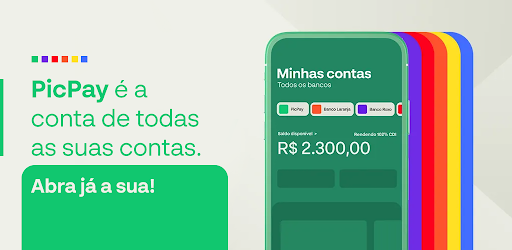
PicPay gère le Pix fractionné entre amis jusqu’à 36 fois et le paiement de factures jusqu’à 36 fois par carte de crédit. La Caixinha rémunère 102 % du CDI. Le flux reste social d’abord, ce qui convient à celles et ceux qui partagent les coûts avec le même cercle.
Points faibles : pas de terminal. Les taux de cashback partenaires ont resserré.
Tarification : compte gratuit. Carte standard sans cotisation annuelle. Palier Black avec cotisation conditionnelle.
PicPay contre PagBank : PicPay l’emporte sur le Pix fractionné et le flux P2P. PagBank l’emporte sur l’encaissement.
En résumé : choisissez PicPay lorsque le portefeuille doit rester social et très orienté échéances.
4. Banco Inter — idéal pour portefeuille + investissements
Le Banco Inter livre un compte personnel gratuit avec carte de crédit, courtier maison, CDB, LCI, LCA, Treasury Direct, cashback Inter Shop et récompenses Inter Loop. Le compte international en USD ajoute une exposition dollar que PagBank ne reproduit pas. Les fonctions marchandes passent par l’app PJ séparée d’Inter.
Points faibles : l’app perso ne livre pas de TPE. Interface plus lourde que Nu.
Tarification : compte gratuit. Pas de cotisation annuelle sur la carte standard. Inter Loop gratuit.
Banco Inter contre PagBank : Inter l’emporte sur la profondeur d’investissement et l’exposition dollar. PagBank l’emporte sur les outils marchands groupés.
En résumé : choisissez Inter lorsque le côté personnel a besoin d’un vrai courtier intégré.
5. Stone — idéal pour des rails marchands établis

Stone est la fintech PJ la plus établie au Brésil. L’application phare couvre un compte numérique PJ gratuit, un terminal, le Pix, le crédit professionnel et les comptes fournisseurs. Les options de règlement incluent des cycles plus rapides pour les marchands installés, et le réseau de support est plus profond que celui de PagBank sur les tickets complexes.
Points faibles : orientation PJ d’abord. Le cas d’usage compte personnel est plus fin que chez PagBank.
Tarification : compte PJ gratuit. Taux terminal selon transaction et palier. Règlement jour même payant.
Stone contre PagBank : Stone l’emporte sur les rails marchands et les options de règlement. PagBank l’emporte sur le duo perso-PJ dans une seule app.
En résumé : choisissez Stone lorsque le côté business gère des volumes sérieux.
6. SumUp — idéal pour accepter de petits paiements par carte

SumUp est une société de paiement internationale avec une présence solide au Brésil. L’application s’appaire aux lecteurs SumUp et prend en charge le paiement sur téléphone sur Android compatibles. Les taux sont transparents et compétitifs sur les petits montants. Le côté compte personnel reste minimal par rapport à PagBank.
Points faibles : pas de compte personnel groupé. Pas d’investissements.
Tarification : pas de frais de compte. Taux lecteur et tap-on-phone par transaction. Règlement standard au jour ouvré suivant.
SumUp contre PagBank : SumUp l’emporte sur des taux marchands simples et le soutien d’une marque globale. PagBank l’emporte sur la banque personnelle intégrée.
En résumé : choisissez SumUp si vous devez seulement accepter des petits paiements carte avec des taux prévisibles.
7. InfinitePay — idéal pour le téléphone comme TPE

InfinitePay pousse le téléphone-terminal via InfiniteTap, qui transforme un Android NFC en terminal de paiement. La Smart Card personnelle reverse 1,5 % de cashback, le Pix est illimité et gratuit, et la même app gère lien de paiement, boutique en ligne et facturation. Aucun terminal physique requis.
Points faibles : le TPE sur téléphone exige un Android compatible NFC. Pas de support iPhone.
Tarification : compte gratuit. InfiniteTap gratuit à activer. Taux par transaction. Smart Card sans cotisation annuelle.
InfinitePay contre PagBank : InfinitePay l’emporte sur le téléphone-terminal et le cashback personnel à 1,5 %. PagBank l’emporte sur les options matérielles physiques.
En résumé : choisissez InfinitePay si livreur, freelance ou vendeur pop-up veut que le téléphone fasse le travail.
Comment choisir
Pour le remplacement le plus proche avec portefeuille et terminal, installez Mercado Pago. Le Point, le rendement du portefeuille et Mercado Livre couvrent la plupart des usages PagBank avec un autre profil de montées de gamme.
Pour les profils purement personnels lassés de l’interface marchande, Nu livre l’application bancaire la plus sobre, PicPay le portefeuille le plus flexible sur les échéances, et Banco Inter la plateforme d’investissement la plus profonde.
Pour les profils marchands d’abord, Stone fait tourner les rails les plus établis, SumUp gagne sur la simplicité des petits tickets, et InfinitePay sur la flexibilité du téléphone-terminal.
Restez sur PagBank lorsque le bundle double usage est précisément le point : compte personnel, palier d’épargne, carte de crédit et Point dans une seule app reste rare sur le marché brésilien.
FAQ
Quelle est la meilleure alternative à PagBank ? Pour portefeuille + TPE, Mercado Pago est le plus proche. Pour la banque perso seule, Nu. Pour l’usage marchand d’abord, Stone.
Puis-je utiliser PagBank et un autre portefeuille en parallèle ? Oui. La plupart des utilisateurs brésiliens gardent deux ou trois apps financières et orientent chaque usage. Les virements Pix entre elles sont gratuits et instantanés.
Quelle alternative propose les meilleurs taux de terminal ? Stone et InfinitePay rivalisent avec PagBank sur certains paliers. Faites tourner votre volume réel dans le simulateur de chaque app avant de changer.
Stone est-il meilleur que PagBank ? Stone convient lorsque le côté business gère des volumes sérieux et a besoin de rails établis. PagBank convient lorsque la même personne veut compte perso et TPE dans une seule app.
Puis-je déplacer mon solde PagBank vers une autre banque ? Oui. Les virements Pix sont gratuits et instantanés entre toutes les institutions financières brésiliennes. Déplacez le solde, puis fermez le compte PagBank depuis les réglages.
